May 22, 2026 · 5 min read
Raising Creative Kids: Why Art Classes for Children Build More Than Just Skills
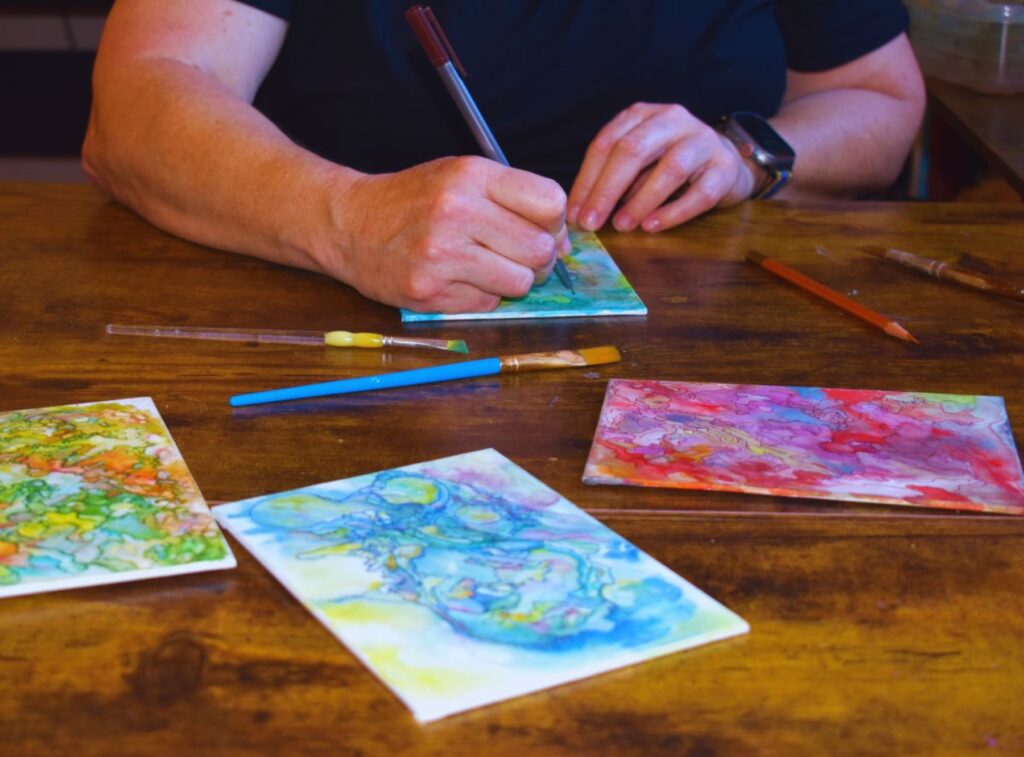
Parents often ask me some version of the same question when they drop their child off for a first class: "Will they actually learn anything, or is this just playing with paint?" I understand the worry. Time and money are both limited, and it's fair to want to know what a class is really building.
My answer is always the same: yes, it's playing, and yes, that's exactly the point. When a child mixes two colors and gets a third they didn't expect, they're testing a hypothesis. When they decide a collage needs one more piece of paper in the corner, they're making a judgment call about balance and composition, even if they'd never use those words. Art class is one of the few places left where a child can fail at something completely, right in front of an adult, and have that failure be treated as interesting rather than a problem to fix.
What I notice most, session after session, isn't the finished piece. It's the posture change. Kids who come in tight-shouldered and asking "is this right?" loosen up by week three. They start narrating their own choices instead of asking for permission. That confidence doesn't stay in the studio. Teachers and parents tell me it shows up in how a child approaches a hard math problem or a new friendship too.
Small class sizes make this possible. With no more than ten kids in the room, I can actually watch each child work, notice what they're drawn to, and nudge gently instead of directing. That's the part that builds something real, not just a nice drawing to put on the fridge, though we get plenty of those too.